



Mazda CX-30 vs CX-5: Which is Best for Small Families? [2026]
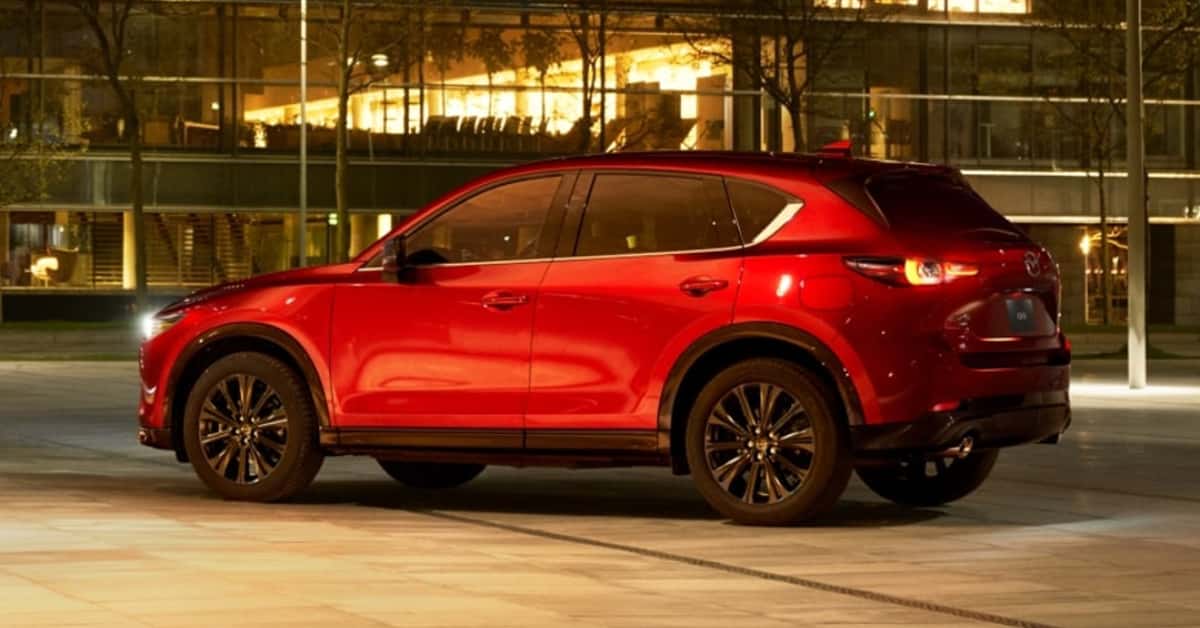
For small families deciding between a Mazda CX‑30 and CX‑5, the choice often comes down to space, comfort, and versatility. The CX‑30 offers a compact, sporty design ideal for city driving and tight parking, while the CX‑5 provides a larger interior, more cargo room, and added comfort for growing families. Comparing the 2026 Mazda CX 30 vs Mazda CX 5 specs, dimensions, and family-friendly features makes it easier to determine which SUV best fits your lifestyle.
Santa Maria Mazda has proudly served drivers in Santa Maria, Orcutt, Nipomo, and Lompoc for decades, providing expert guidance on every new and used Mazda. Our team is ready to help with sales, service, parts, and financing to keep your vehicle performing at its best. Give us a call or contact us today to see how we can assist you in finding the perfect Mazda for your family.
Key Differences Between the CX‑30 and CX‑5
When comparing the CX‑30 and CX‑5, understanding the 2026 Mazda CX 30 vs Mazda CX 5 specs is key. Each SUV has unique strengths, designed for different driving needs and family sizes. The CX‑30 is smaller and more agile, ideal for city streets, while the CX‑5 provides extra space and comfort for passengers and cargo.
Key distinctions include:
- Size and Dimensions: The CX‑30 has a more compact frame, making it easier to park in tight spots. The CX‑5 is larger, with more legroom and cargo space.
- Interior Space: CX‑30 seats five, but rear-seat room is tighter. CX‑5 offers more comfort for children or car seats.
- Cargo Capacity: The CX‑30 holds about 20 cu ft behind the rear seats. The CX‑5 offers roughly 30 cu ft.
- Fuel Economy: CX‑30 slightly outperforms the CX‑5 in city and highway mpg.
- Technology and Features: Both models offer modern infotainment and safety tech, though the CX‑5 includes more premium options in higher trims.
Knowing these key differences helps drivers from Santa Maria, Orcutt, Nipomo, and Lompoc choose the SUV that matches their lifestyle and family needs. The CX‑30 is nimble and efficient, while the CX‑5 is more spacious and versatile.
How CX‑30 and CX‑5 Dimensions Affect Small Family Usability
The Mazda CX-5 vs CX-30 dimensions play a big role in how each SUV fits small families. Space inside, cargo room, and ease of getting kids in and out all matter. The CX‑30 is compact, making it nimble in city streets, but the CX‑5 offers more room for passengers and gear.
Dimension highlights include:
- Rear Seat Space: CX‑5 provides more legroom and headroom for children or booster seats.
- Cargo Capacity: CX‑30 holds about 20 cu ft behind rear seats. CX‑5 offers nearly 30 cu ft, perfect for strollers or sports gear.
- Vehicle Length: CX‑30 is shorter, easier to park in tight driveways. CX‑5 is longer, giving extra space but requiring more room to maneuver.
- Entry and Exit: Taller doors and higher seats in the CX‑5 make it easier for kids and adults to get in.
- Overall Comfort: Families who carry more passengers or cargo benefit from the extra size and versatility of the CX‑5.
Choosing between these two SUVs depends on lifestyle. City dwellers may prefer the CX‑30’s compact size, while those with more gear or growing children may lean toward the CX‑5.
Practicality for Growing Families
Looking at the Mazda CX-30 vs CX-5 side by side helps families see which SUV meets their needs. Both vehicles seat five, but space and storage vary. For small families planning to grow, practicality is key for comfort and convenience.
Key practical differences include:
- Cargo Room: CX‑5 offers more cargo space, ideal for strollers, sports gear, and groceries.
- Rear Seats: CX‑5 has extra legroom and wider seats, making car seats easier to install.
- Interior Layout: CX‑30 is more compact, which may be better for city driving but limits storage flexibility.
- Accessibility: CX‑5’s higher roofline and larger doors simplify getting children in and out.
- Future Needs: Families with growing kids or more gear will appreciate the extra space and versatility of the CX‑5.
By comparing both SUVs side by side, parents can weigh the CX‑30’s nimble design against the CX‑5’s added room and comfort. The right choice depends on daily needs and lifestyle.
Cargo Space Comparison Between CX‑30 and CX‑5
When deciding which is better, a Mazda CX 5 or CX 30, cargo space often plays a key role for families. Both SUVs offer flexible storage, but the CX‑5 clearly provides more room for gear and groceries.
Key differences in cargo capacity include:
- Rear Cargo Space: CX‑5 offers about 30 cu ft behind the rear seats, while CX‑30 has around 20 cu ft.
- Maximum Cargo: Folding the rear seats increases CX‑5 capacity to roughly 59 cu ft; CX‑30 tops out near 45 cu ft.
- Practical Storage: CX‑5 allows larger strollers, sports equipment, or luggage to fit with ease.
- Interior Organization: Both SUVs offer under-floor storage, but the CX‑5’s larger area provides more versatility.
- Everyday Use: For families with active lifestyles or weekend trips, the CX‑5’s extra space reduces packing stress.
Choosing between the CX‑30 and CX‑5 depends on your storage needs. The CX‑5 stands out for families needing more room for cargo without compromising passenger comfort.
Fuel Economy and Driving Performance Differences
When comparing a Mazda CX-5 or CX-30, a bigger size can affect both fuel economy and driving feel. The CX‑30 is smaller and lighter, giving it a slight edge in efficiency. The CX‑5, being larger, delivers more interior space but uses slightly more fuel.
Key differences in performance include:
- Fuel Economy: CX‑30 can reach around 26 mpg city / 33 mpg highway, while CX‑5 averages about 25 mpg city / 31 mpg highway.
- Engine Output: Both SUVs use a 2.5 L four-cylinder engine, but the CX‑30 offers a slightly higher horsepower in its standard trim.
- Handling: CX‑30’s smaller size allows easier parking and nimble city driving.
- Ride Comfort: CX‑5 provides a smoother, more stable ride on highways and rougher roads.
- Towing and Power: CX‑5 can handle more gear for trips, though neither SUV is built for heavy towing.
For drivers focused on city commutes and fuel savings, the CX‑30 shines. Families prioritizing stability and comfort may prefer the CX‑5 despite the small fuel trade-off.
Technology and Safety Features for 2026 Models
Both the CX‑30 and CX‑5 come with advanced technology and safety features to keep drivers and passengers confident on the road. The Mazda CX-30 size comparison shows that even the smaller CX‑30 includes many of the same driver-assist systems as the larger CX‑5.
Key technology and safety highlights include:
- Infotainment: Both models have a responsive touchscreen with Apple CarPlay and Android Auto.
- Driver Assistance: Standard features include blind-spot monitoring, lane departure warning, and adaptive cruise control.
- Parking Help: CX‑30’s compact size makes parking easier, while CX‑5 offers more camera views for tight spaces.
- Connectivity: Both SUVs support USB ports, Bluetooth, and navigation options on higher trims.
- Crash Safety: Each SUV earns high crash-test ratings and includes multiple airbags and safety sensors.
Whether you value a smaller, easier-to-maneuver SUV or a larger vehicle with more cabin room, both the CX‑30 and CX‑5 provide tech and safety features suited for small families.
Choosing the Right SUV for Your Lifestyle
Deciding between the CX‑30 and CX‑5 comes down to your daily needs and family lifestyle. The 2026 Mazda CX 30 vs Mazda CX 5 specs highlight differences in size, cargo space, and efficiency. Both SUVs offer comfort, safety, and technology, but each suits a different routine.
Consider these points when choosing:
- City Driving: CX‑30 is easier to park and maneuver in tight streets or crowded areas.
- Family Size: CX‑5 provides more rear-seat space, making it better for growing children or extra passengers.
- Cargo Needs: If you carry gear often, the CX‑5’s larger cargo area is more practical.
- Fuel Efficiency: CX‑30 slightly edges out in mileage, ideal for longer commutes or city trips.
- Tech & Comfort: Both models have similar infotainment and safety features, though the CX‑5 offers larger screens on higher trims.
By matching your lifestyle to the features of each SUV, you can pick the one that works best for your family. Whether you prefer a nimble CX‑30 or a roomier CX‑5, each has something to offer.
Frequently Asked Questions: Mazda CX-30 vs CX-5
Many families want fast answers about size, cargo, and efficiency before choosing a Mazda SUV.
What is the size difference between the CX‑5 and 2025 CX‑30?
CX‑5 is longer than CX‑30.
Is the Mazda CX‑30 enough for a family of one or two kids?
Yes, for a small family.
Can the Mazda CX‑5 fit a family of one or two kids?
Yes, with more room.
Which Mazda has a bigger cargo space, CX‑30 or CX‑5?
CX‑5 has more cargo space.
How do the two cars compare in fuel economy?
CX‑30 is slightly more efficient.
These answers help families in Santa Maria, Orcutt, Nipomo, or Lompoc quickly see which Mazda works best.
Choosing the Right Mazda for Your Family
Choosing the right SUV comes down to your family’s needs, lifestyle, and driving habits. Whether you lean toward nimble city driving or want more space for kids and gear, knowing the differences between the CX‑30 and CX‑5 helps you make a confident choice.
Families in Santa Maria, Orcutt, Nipomo, and Lompoc can rely on our team to guide them through every step of the selection process. At Santa Maria Mazda, we are here to support all your automotive needs, from sales to service, parts, and financing.
Check out our wide selection of vehicles, including the CX‑30 and CX‑5, to find the one that fits your life. Learn more about SKYACTIV tech, understand CX‑50 hybrid charging, or compare CX‑50 hybrid to see how Mazda innovation works in action. Contact us today or stop by to see our inventory in person.
Get Directions to Santa Maria Mazda
Disclaimer: All information is provided for general informational and entertainment purposes only. While we strive for accuracy, we cannot guarantee that all content is complete, current, or error-free. Any reliance you place on such information is strictly at your own risk. This article may include opinions and is not endorsed by, or officially affiliated with, any vehicle manufacturer or brand. Always consult official sources – such as the vehicle’s owner’s manual, authorized dealerships, or certified professionals – for the most up-to-date and personalized information.
0 comment(s) so far on Mazda CX-30 vs CX-5: Which is Best for Small Families? [2026]